

Stories are powerful. They shape how we understand the world, influence who we believe belongs in it, and define what we see as just and fair. The family justice system is no different. It is built on the stories we tell about children, parents, partners, and families. And these stories influence how laws are made, how policies are designed, and how decisions are rendered in courtrooms.
But not all stories are told. And not all stories are heard. Too often, the narratives that guide family justice in Canada follow a familiar storyline — one centred on the ideal of the nuclear family, with a father, mother, and 2.5 children all under a single roof. This storyline is treated as the default, the baseline against which all others are measured. In doing so, it leaves out the many ways families actually live, care, and belong.
Families shaped by migration, culture, economic conditions, or chosen kinship are part of Canada’s story, but they are not always fully written into the system. Their relationships may not fit neatly within standard definitions of parenthood or caregiving. Their experiences may be present, but only partially recognised, edited down, simplified, or overlooked altogether.
This is where our work begins. At its core, this research centre is about bringing these stories forward and making space for them to be told in full. It is about listening carefully, documenting what has too often been left out, and ensuring that the broader narrative of family life in Canada reflects its true complexity. Because when the story is incomplete, so too is the system upon which it is built.
Our work seeks to expand the narrative that underpins family justice. We move beyond a single storyline and toward a fuller, richer account of how families live and care for one another. In doing so, we aim to help shape a system that is not only more inclusive but also more grounded in the realities of the people it serves.
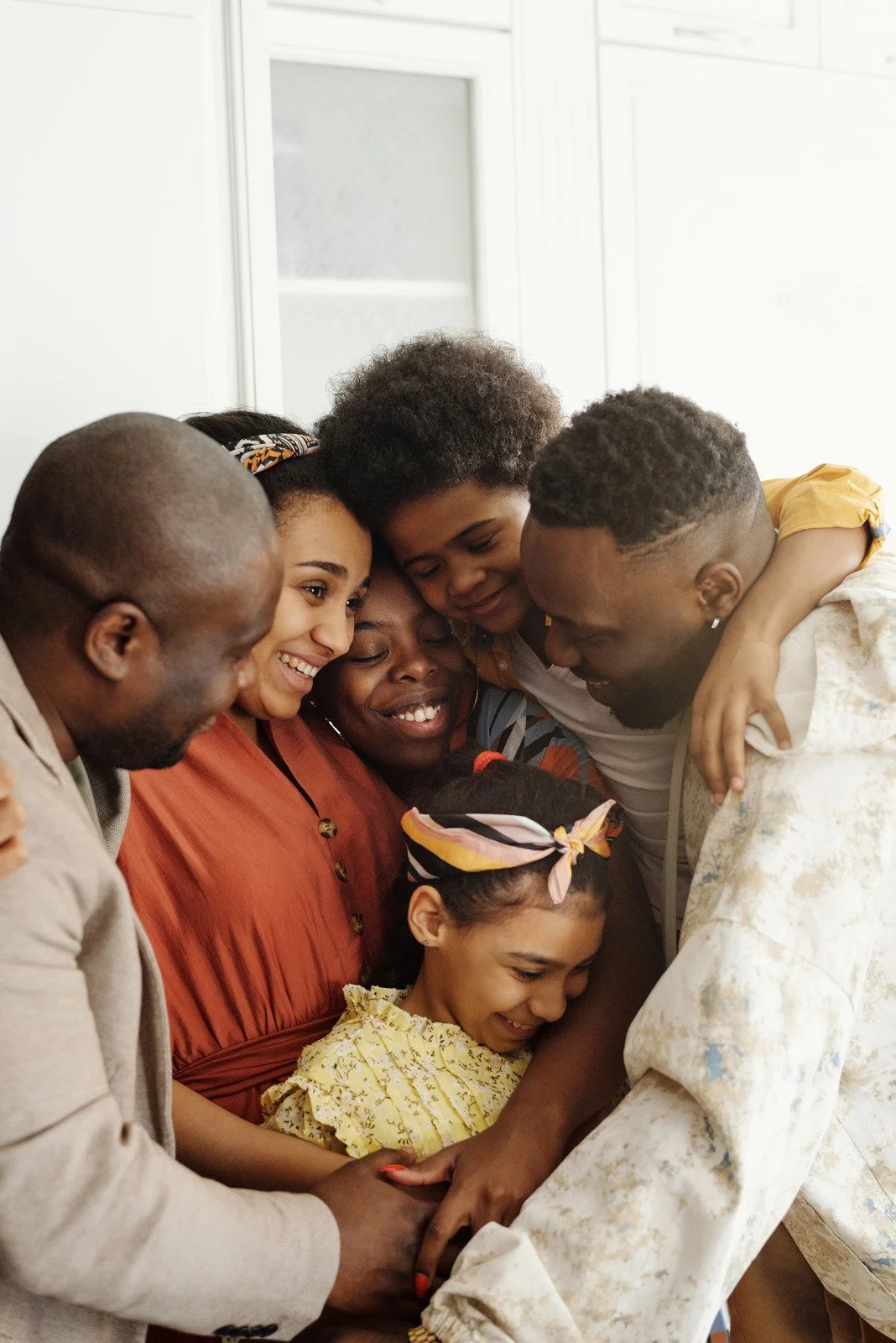
Social Resilience & Canadian Polyamorous Families
When Canadian institutions fail to recognise your family, what do you do? You build your own frameworks. And that’s exactly what polyamorous families across the country are doing.
New research from the Centre for Family Justice Research reveals how 64 polyamorous families navigate a system not designed for them. Through life history interviews and ethnographic fieldwork spanning seven years, Dr Pedrom Nasiri documents the creative resilience practices these families employ to sustain themselves despite institutional exclusion.
The findings are striking. Nearly two-thirds experienced healthcare facilities restricting access based on legal relationship status, with long-term partners being excluded from emergency rooms and medical decisions. Parents describe schools refusing to recognise non-legal co-parents, limiting emergency contacts despite multiple caregivers being involved. Most troubling is the finding that 97% of those who experienced forms of intimate partner violence needed to misrepresent their family structure in order to access support services.
Yet families aren’t simply surviving. They’re thriving. Participants create written relationship agreements that parallel marriage contracts, develop inventive co-parenting arrangements, pool financial resources across partnerships, and deliberately refuse couple privilege even when it entails material costs.
These families demonstrate what’s possible when we reimagine kinship beyond the monogamous dyad. But resilience shouldn’t require this much work. The findings point to urgent policy needs: legal recognition frameworks for multi-partner families, healthcare systems that honour patient-designated family members, schools that accommodate diverse parenting structures, and services that support all families, not just those that fit a narrow template.
Canadian institutions must ask themselves: are we prepared to serve the families that actually exist?